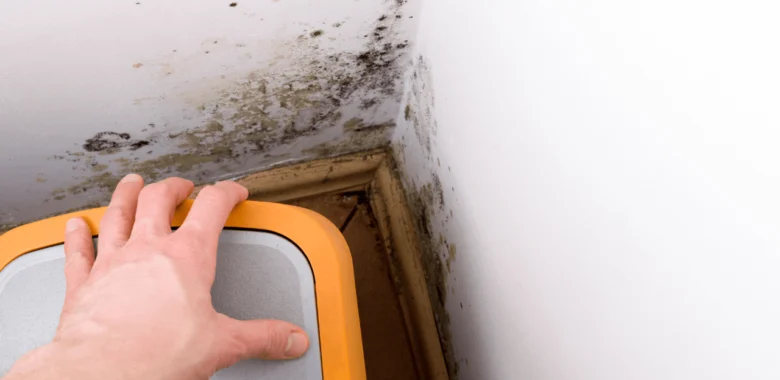

You find dark spots spreading across your bathroom ceiling. Gray patches creeping along the grout in your shower. A fuzzy growth at the base of your basement wall. Your first instinct is to reach for the Pine-Sol under the sink. It kills germs, it smells clean, it should handle mold too — right?
The honest answer is more complicated than a yes or no. Pine-Sol does have antimicrobial properties. It is registered with the EPA as a disinfectant. But whether it actually kills mold effectively, which types of surfaces it works on, whether it is the right tool for your specific situation, and what you should use instead when it is not — all of that requires more detail than the label provides.
This guide covers everything: how Pine-Sol affects mold and mildew at a chemical level, which surfaces and mold situations it genuinely handles, where it falls short and why, how to use it safely and correctly, the alternatives that work better in specific situations, and the complete strategy for preventing mold from returning after you have addressed an active growth. If you have a mold problem in your home, you will have a clear picture of exactly what to do by the time you finish reading.
Quick Reference: Pine-Sol and Mold
| Question | Answer |
|---|---|
| Does Pine-Sol kill mold? | Yes, on non-porous surfaces — limited effectiveness on porous materials |
| Does Pine-Sol kill mildew? | Yes — more effectively than on deep mold |
| Does Pine-Sol kill black mold? | Surface level only — does not penetrate porous materials where roots grow |
| Is it EPA registered as a disinfectant? | Yes — kills 99.9% of listed pathogens on hard non-porous surfaces |
| Best surfaces for Pine-Sol mold removal | Tile, glass, sealed countertops, plastic, sealed hardwood |
| Should not use Pine-Sol on | Drywall, unsealed wood, fabric, carpet, porous grout |
Does Pine-Sol Kill Mold?
Yes, Pine-Sol kills mold on hard, non-porous surfaces. The active ingredient in original Pine-Sol is pine oil, a natural compound with documented antimicrobial properties. Pine-Sol is registered with the Environmental Protection Agency (EPA Registration No. 5813-40) as a disinfectant that kills 99.9% of the pathogens listed on its label when used according to directions on hard, non-porous surfaces.
The limitation is the phrase “hard, non-porous surfaces.” Mold does not grow only on surfaces. It grows into surfaces. On tile, sealed countertops, glass, and plastic, mold growth is primarily on the surface layer where a disinfectant can reach and destroy the fungal cells directly. On porous materials — drywall, unsealed wood, fabric, unsealed grout — mold sends root-like structures called hyphae deep into the material. Applying Pine-Sol to the surface of a moldy drywall panel kills what is visible on top but does not reach the fungal network growing through the material below. The mold will reappear within days because the root system was never addressed.
This is the distinction that makes Pine-Sol a genuinely useful tool in some situations and completely inadequate in others. Knowing which situation you are dealing with determines whether Pine-Sol is the right product to reach for.

The Chemistry: Why Pine-Sol Works on Some Mold and Not Others
Pine oil — the primary active ingredient in the original Pine-Sol formulation — is a complex mixture of terpene alcohols, primarily alpha-terpineol. These compounds disrupt the cell membranes of bacteria and fungi by dissolving the lipids that make up the membrane structure. When the cell membrane is compromised, the mold cell loses its ability to regulate what enters and exits, and it dies.
This mechanism is effective when the Pine-Sol solution comes into direct contact with the fungal cells. On a smooth, non-porous surface like ceramic tile or sealed stone, mold grows in a flat biofilm on the surface and the cleaner makes thorough contact with the entire growth. The kill rate is high and the effect is fast.
On porous materials, the situation changes fundamentally. Consider drywall — the most common interior surface in modern homes. Drywall consists of a gypsum core with paper facing on both sides. When mold colonizes drywall, it grows through the paper and into the gypsum matrix. The mycelium (the root network of the fungal colony) is distributed through the material in three dimensions. A surface application of Pine-Sol, or any liquid disinfectant, penetrates a fraction of a millimeter into the paper surface and does not reach the deeper fungal structures. The visible surface growth dies. The colony continues growing from the living tissue inside the material.
This is why the common advice to “spray bleach or Pine-Sol on mold and wipe it clean” works in the bathroom but fails on walls, ceilings, and wooden structures where the mold has penetrated the material.
Mold vs. Mildew: An Important Distinction
Mold and mildew are often used interchangeably, but they are different things with different implications for treatment.
Mildew is a surface fungus that grows in flat, powdery patches — typically white or gray — on the surface of organic materials exposed to moisture and warmth. It does not penetrate deeply. Bathroom mildew on tile grout, shower curtains, and window sills is mildew in the classic sense. Because it grows on the surface and does not penetrate, a surface disinfectant like Pine-Sol is highly effective against it. Spray, let sit for five minutes, scrub, rinse — done.
Mold is a broader term for multicellular fungi that can penetrate materials and form complex three-dimensional structures inside them. When people refer to “black mold” — typically meaning Stachybotrys chartarum — they are describing a mold species that requires consistently high moisture levels, grows on cellulose-rich materials like drywall and wood, and penetrates deeply. Pine-Sol does not resolve this type of mold growth.
| Feature | Mildew | Mold |
|---|---|---|
| Appearance | Flat, powdery, white or gray | Fuzzy, raised, various colors including black, green, orange |
| Penetration depth | Surface only | Can penetrate deep into porous materials |
| Pine-Sol effective? | Yes — surface application works well | Partly — surface only, not penetrating growth |
| Common locations | Bathroom tile, shower curtains, window sills | Drywall, wood framing, subfloor, ceiling tiles |
| Health risk | Low — mainly cosmetic | Variable — some species cause respiratory issues |
Where Pine-Sol Works Well for Mold and Mildew
Used on the right surfaces, Pine-Sol is a genuinely effective mold and mildew cleaner. These are the situations where it is the right tool for the job.
Bathroom Tile and Grout
Sealed ceramic tile is a non-porous surface on which Pine-Sol performs well. Spray or apply diluted Pine-Sol (one quarter cup per gallon of water), let it sit for five minutes, scrub with a stiff brush, and rinse. The antimicrobial agents kill the surface mildew and remove the black discoloration. For deep grout lines that have not been sealed, effectiveness decreases because grout is porous — but for sealed grout or surface-level mildew in grout, it works adequately.
Shower Walls and Glass
Glass shower panels, sealed stone shower walls, and sealed acrylic surfaces are all appropriate for Pine-Sol. The product removes soap scum and mildew simultaneously, leaving a clean surface. Rinse thoroughly after application to avoid residue that can make the surface slippery.
Plastic and Rubber Surfaces
The rubber seals around showers and bathtubs, plastic shower curtain rings, plastic storage containers, and rubber gaskets on appliances are appropriate surfaces for Pine-Sol mold treatment. Mold grows readily on rubber and plastic in damp environments because these surfaces retain moisture and trap organic debris. Pine-Sol applied and scrubbed into these surfaces effectively removes surface mold growth.
Sealed Hardwood and Laminate Floors
Properly sealed hardwood floors with a complete polyurethane or similar finish are non-porous and can be treated with diluted Pine-Sol for surface mold or mildew. The emphasis is on properly sealed — a floor with worn or incomplete sealant has exposed wood grain that mold can penetrate, at which point surface cleaning is not sufficient.

How to Use Pine-Sol on Mold: Step-by-Step
Pine-Sol Mold Removal: Complete Process
-
1
Ventilate the area. Open windows and doors before beginning. Pine-Sol has strong fumes, and disturbing mold releases spores into the air. Adequate airflow protects you during the cleaning process.
-
2
Wear protection. Gloves, eye protection, and a face mask or respirator. This applies regardless of whether you are using Pine-Sol or any other cleaning agent on mold. The spores are the hazard, not just the cleaning chemical.
-
3
Dilute correctly. For mold and mildew cleaning, use one quarter cup of Pine-Sol per gallon of warm water. For disinfecting, use Pine-Sol at full strength or at the concentration specified on the label for disinfection. Do not add water when disinfecting.
-
4
Apply and let it dwell. Apply the solution to the mold-affected area and let it sit for at least five minutes. Dwell time is critical — the antimicrobial agents need time to penetrate the surface mold cells and disrupt their membranes. Wiping immediately removes the product before it has worked.
-
5
Scrub thoroughly. Use a stiff-bristled brush — not a sponge, which absorbs mold spores and spreads them. Work in small sections and scrub in multiple directions to dislodge the mold from grout lines and surface texture.
-
6
Rinse and dry completely. Rinse the surface thoroughly with clean water and dry with a clean cloth or allow to air dry with ventilation. Leaving any moisture behind creates the conditions for mold to regrow.
-
7
Dispose of cleaning materials carefully. The brush, any disposable cloths, and any debris should go into a sealed plastic bag and directly into the outdoor trash. Do not leave mold-contaminated materials in an indoor waste bin.
Where Pine-Sol Falls Short
These are the situations where Pine-Sol is not the right solution and using it gives a false sense of having resolved a problem that continues growing beneath the surface.
Drywall
Drywall is porous and mold penetrates it readily. Any mold growth that has been present on drywall for more than a few days has almost certainly grown into the gypsum core through the paper facing. Surface cleaning removes the visible discoloration but leaves the colony intact inside the material. The mold reappears. Drywall with significant mold growth — any patch larger than ten square feet, or any growth that has been present for weeks — needs to be cut out and replaced, not cleaned. This is not a cleaning problem; it is a material replacement problem.
Unsealed Wood
Wood is a primary food source for many mold species because it is cellulose-rich. Unsealed wood in basements, attics, and crawl spaces that has developed mold growth has been penetrated by fungal hyphae throughout the grain. Surface treatment with Pine-Sol or any other disinfectant does not reach this growth. For framing lumber with surface mold — the gray or black discoloration common in damp basements — the standard remediation approach is HEPA vacuuming followed by sanding to remove the surface growth, then treatment with a penetrating antifungal solution specifically designed for wood, followed by encapsulation with a mold-resistant primer. Pine-Sol is not part of this process.
Fabric, Carpet, and Upholstery
Fabric is both porous and difficult to rinse properly. Pine-Sol applied to moldy fabric sits in the fibers and does not rinse out completely, leaving a residue that can be irritating to skin. More importantly, it does not penetrate the full depth of the fabric to reach mold growing through the material. Fabric with significant mold growth — anything beyond light surface mildew that washes out in a normal laundry cycle — should generally be discarded. The health risk from retaining mold-contaminated fabric in the home outweighs the replacement cost in most cases.
Large Mold Infestations
The EPA guideline is that mold covering more than ten square feet of surface area requires professional remediation. This threshold exists because large infestations indicate a moisture source significant enough to sustain widespread growth, typically a plumbing leak, roof damage, flooding, or persistent condensation from inadequate insulation. No household cleaning product — not Pine-Sol, not bleach, not any commercial mold remover — resolves the underlying moisture problem. A professional remediation includes identifying and correcting the source as part of the process.
When to Call a Professional
Mold covering more than 10 square feet, mold behind walls or under flooring, any mold growth following a flood or major leak, mold that returns within weeks after cleaning, or any occupant with respiratory conditions or compromised immune function. These situations require professional assessment and remediation — household cleaning products are not adequate.

Pine-Sol vs. Other Mold Cleaners
| Product | Kills Mold? | Best For | Limitations |
|---|---|---|---|
| Pine-Sol (original) | Yes — surface, non-porous | Tile, glass, sealed surfaces, plastic | No penetration into porous materials |
| Bleach (diluted 1:10) | Yes — surface, non-porous | Tile, sealed surfaces — also whitens stains | Same porosity limitation; fumes; damages some surfaces |
| White vinegar (undiluted) | Partial — kills ~82% of species | Safer for colored grout; slightly penetrates porous surfaces | Less effective than bleach on non-porous surfaces |
| Hydrogen peroxide (3%) | Yes — slightly penetrating | Tile, fabric-safe surfaces, colored materials | Less potent; requires 10+ min dwell time |
| Commercial mold remover (Concrobium etc.) | Yes — including some penetration | Wood, drywall surface, broader application | More expensive; still not a replacement for material removal |
| Professional remediation | Complete removal | Large infestations, structural mold, post-flood | Cost — but necessary for serious situations |
When Bleach Is Better Than Pine-Sol
For non-porous surfaces where mold staining is a concern alongside the kill effectiveness, diluted bleach (one cup per gallon of water) is more effective than Pine-Sol because it both kills the mold cells and removes the dark pigmentation left behind. Pine-Sol kills the mold but does not bleach out the staining. On white grout or white tile where you want the surface to look completely clean after treatment, bleach achieves a better visual result.
On colored grout, colored tile, or any surface where bleaching would damage the appearance, Pine-Sol is the better choice because it does not have the bleaching action that strips color.
When Vinegar Is Better Than Pine-Sol
White vinegar at full strength has a slight advantage over Pine-Sol for porous surfaces because the acetic acid in vinegar penetrates slightly better than pine oil and kills approximately 82 percent of mold species tested. It is also food-safe and appropriate for use in kitchens and on food-preparation surfaces where you would not want to apply a surfactant-based cleaner. For bathrooms with significant surface mildew, Pine-Sol and vinegar are roughly comparable in effectiveness, with Pine-Sol having a slight edge on killing power and vinegar having an advantage in safety and surface compatibility.
Does Pine-Sol Kill Black Mold?
This is one of the most searched questions on this topic, and the answer requires separating the popular definition of “black mold” from the scientific one.
In popular usage, “black mold” often refers to any dark-colored mold growth. In scientific usage, it specifically refers to Stachybotrys chartarum — a particular species known for requiring very high sustained moisture levels and for its association with specific health concerns in sensitive individuals.
Pine-Sol will kill Stachybotrys chartarum cells on contact on non-porous surfaces, the same as it kills other mold species. The problem is that Stachybotrys specifically colonizes cellulose-rich porous materials — drywall paper, wood, ceiling tiles. Its natural habitat is exactly the type of surface that surface-applied disinfectants cannot adequately treat. If you have a genuine Stachybotrys infestation — extensive dark mold growth on walls, ceilings, or floors following a sustained water leak or flood — Pine-Sol is not a meaningful remediation tool. The EPA recommends professional remediation for any suspected toxic mold situation, and Stachybotrys falls into that category.
For dark surface mildew on tile, sealed countertops, or plastic — which is far more commonly what people are actually dealing with when they notice “black mold” in a bathroom — Pine-Sol is effective. The key is identifying what surface the growth is on and how extensive it is before deciding whether Pine-Sol is the appropriate response.
Preventing Mold from Returning
Cleaning mold addresses the symptom. Preventing it from returning requires addressing the cause. Every mold growth has a moisture source that enables it. Identify and eliminate that moisture source and mold cannot sustain itself. Keep the moisture problem and the mold will return regardless of how thoroughly you clean it.
Mold Prevention Checklist by Location
Bathroom
- Run the exhaust fan during and for 20-30 minutes after every shower
- Squeegee shower walls and glass after each use to remove standing water
- Check and replace caulk around the tub and shower base annually — cracked caulk allows water behind walls
- Apply grout sealer to shower and bathroom floor grout every 1-2 years
Kitchen
- Check under the sink monthly for slow drips from supply lines and drain connections
- Keep the refrigerator drain pan clean and dry — it is a common hidden mold location
- Use the range hood when cooking — steam from cooking contributes to kitchen humidity
Basement and Crawl Space
- Maintain relative humidity below 50% — a hygrometer ($15-30) lets you monitor this
- Ensure gutters drain water at least 6 feet from the foundation — poorly directed downspouts are a primary cause of basement moisture. Our guide to DIY gutter maintenance covers the full inspection and repair process.
- Inspect the crawl space vapor barrier annually — tears or gaps allow ground moisture to enter
Safety: Using Pine-Sol Correctly
Pine-Sol is a relatively safe household cleaner when used as directed, but certain combinations and misapplications create genuine hazards.
Never mix Pine-Sol with bleach. This is the most important safety rule for any cleaning product. Mixing pine oil-based cleaners with bleach creates toxic chlorine gas — the same mechanism as mixing bleach with ammonia. The reaction is rapid and the fumes are immediately irritating to eyes, nose, throat, and lungs. If you have recently used bleach in an area, rinse and ventilate thoroughly before applying Pine-Sol and vice versa. Many people have made this mistake accidentally while trying to maximize their cleaning effort, not realizing the hazard. Our guide on the most misunderstood household chemical hazards covers the common dangerous combinations people create accidentally.
Ventilate during use. Pine-Sol has a strong pine fragrance that is pleasant in small doses but becomes irritating with prolonged exposure in an enclosed space. Use it in ventilated areas and do not linger in a space immediately after heavy application.
Keep away from pets and children during and after application. Pine-Sol is toxic to cats in particular — cats lack the liver enzymes needed to metabolize certain phenolic compounds found in pine oil. Keep cats away from any Pine-Sol-cleaned surface until it is completely dry and rinsed. Diluted solutions that are fully rinsed and dry pose minimal risk, but undiluted or wet applications on surfaces cats contact are a genuine concern.
Frequently Asked Questions
Does Pine-Sol kill mold and mildew?
Yes, on hard non-porous surfaces. Pine-Sol is EPA-registered as a disinfectant that kills 99.9% of listed pathogens including mold and mildew on hard, non-porous surfaces when used as directed with adequate dwell time. It is effective on tile, glass, sealed stone, plastic, and sealed hardwood. It is not effective as a penetrating treatment for mold growing inside porous materials like drywall, unsealed wood, or grout.
Does Pine-Sol kill black mold?
Pine-Sol kills the surface cells of any mold species, including black mold varieties, on non-porous surfaces. However, true black mold infestations (Stachybotrys chartarum) typically occur on porous materials where Pine-Sol cannot penetrate to reach the full fungal colony. Surface application removes visible growth but leaves the colony intact inside the material. Significant black mold infestations require professional remediation, not household cleaning products.
Will Pine-Sol kill mold on wood?
On sealed, finished hardwood — yes, surface mold and mildew can be addressed with Pine-Sol. On unsealed or unfinished wood, Pine-Sol kills surface cells but does not penetrate to reach the fungal hyphae growing through the grain. Unsealed wood with active mold growth requires sanding, treatment with a penetrating antifungal, and sealing or priming with a mold-resistant product — not surface cleaning alone.
How long do you leave Pine-Sol on mold?
Allow Pine-Sol to dwell on the mold-affected surface for at least five minutes before scrubbing. For disinfection (killing pathogens rather than just cleaning), the EPA-registered use requires the surface to remain visibly wet for ten minutes. Do not wipe immediately after applying — the dwell time is essential for the antimicrobial agents to work. After scrubbing, rinse thoroughly and dry completely.
Can you mix Pine-Sol with bleach for stronger mold killing?
Never. Mixing Pine-Sol with bleach produces toxic chlorine gas. This is one of the most dangerous common household chemical combinations. Use one product or the other, not both simultaneously. If switching from bleach to Pine-Sol for a cleaning session, rinse the surface and ventilate the area thoroughly before applying the second product.
Does Pine-Sol kill mold on shower grout?
On sealed shower grout — yes, effectively. On unsealed or porous grout that has not been sealed in several years, Pine-Sol kills surface cells but does not penetrate to address mold growing into the grout body. If the grout is discolored all the way through and not just on the surface, a surface cleaning will temporarily improve appearance but the mold will return. Reseal grout after cleaning to reduce the porosity and slow future mold growth.
How is Pine-Sol different from bleach for mold?
Both kill mold on non-porous surfaces. Bleach also has a whitening action that removes the dark staining mold leaves behind — Pine-Sol does not. Bleach has stronger fumes and can damage colored surfaces. Pine-Sol is gentler on colored materials and safer for most bathroom fixtures. For white tile and grout where you want complete stain removal, bleach is more effective. For colored grout or materials where bleaching would damage appearance, Pine-Sol is the better choice. Neither penetrates porous materials effectively.
Mold is a home maintenance issue that rewards early action and the right tool for the right surface. Pine-Sol is a legitimate part of your mold management toolkit for bathroom and kitchen surfaces. For anything beyond surface cleaning on non-porous materials, the answer changes significantly. For more home safety and maintenance guides, browse our Home Safety section — including our guide on other chemical hazards in the home and our complete guide to safe household product disposal.
Related Reading