
Your sink is backed up. The toilet is draining slowly. You just remembered that last week you poured leftover soup down the drain, or flushed something you probably should not have. Now you are standing there wondering how bad the damage actually is and what you can do about it.
This happens in millions of homes every year. The problem is not ignorance, it is misinformation. Most people have a rough idea that grease is bad for drains, but very few know that many everyday kitchen and bathroom items cause far more long-term damage than grease does. Ramen noodles are one of them. So are pasta, rice, paper towels, medication, and a dozen other things that seem harmless going down.
This guide covers every common item people flush or pour down drains, why each one causes problems, how serious those problems get, and what to do instead. Whether you already have a slow drain or you are trying to prevent one, you will find everything you need here.
Quick Reference: What Never Goes Down a Drain or Toilet
| Item | The Problem | Where It Goes Instead |
|---|---|---|
| Ramen / pasta / rice | Expands in water, clogs pipes | Trash or compost bin |
| Cooking grease / oil | Solidifies, coats pipe walls | Sealed container in trash |
| Paper towels / wipes | Do not dissolve, block sewer | Trash bin |
| Coffee grounds | Accumulate into dense sludge | Compost or garden soil |
| Medication / pills | Contaminate water supply | Pharmacy take-back program |
| Cat litter | Clumps massively in pipes | Sealed bag in trash |
| Cotton balls / swabs | Collect hair and debris, block drain | Trash bin |
| Produce stickers | Stick to pipe walls and filters | Trash bin |
Can You Flush Ramen Noodles Down the Toilet?
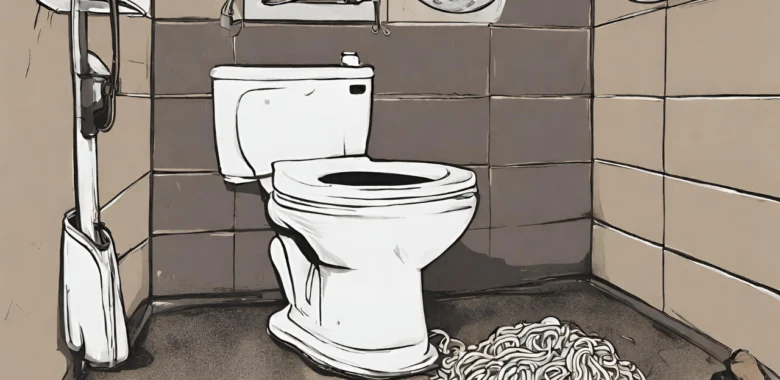
No. Ramen noodles should never be flushed down the toilet or poured down any drain. The reason is straightforward but not immediately obvious: noodles are made from wheat flour and water, and they absorb water continuously. A handful of noodles that looks harmless going down your toilet can expand to two or three times its original volume inside your pipes, where the water does not stop and the temperature stays relatively warm.
Unlike toilet paper, which is specifically engineered to break apart in water within seconds, noodles get stickier as they absorb moisture. They cling to pipe walls, trap other debris passing by, and gradually build into a blockage that a plunger will not dislodge. By the time you notice the drain slowing, the clog is already substantial.
The same logic applies to all cooked starches: pasta, rice, oatmeal, and instant noodles of any variety. They all share the same water-absorbing property that makes them swell in your pipes long after you assumed they were safely on their way to the sewer.

What Actually Happens Inside Your Pipes
Understanding why certain items cause clogs requires a basic picture of how your home plumbing system works. Most residential drain systems use pipes ranging from 1.5 inches in diameter for sink drains to 3 or 4 inches for toilet drains and main sewer lines. These pipes run at a slight downward angle, relying on gravity and water flow to carry waste toward the main sewer or septic system.
The problem with food and non-dissolvable items is that they do not need to block the entire pipe to cause a problem. They only need to accumulate enough at a joint, bend, or narrowing in the system to slow flow significantly. Once flow slows, everything else that passes through starts sticking too, creating a compounding effect.
Ramen noodles specifically go through three stages after entering your drain. In the first few minutes, they travel through the pipe normally. Over the next hour, they absorb ambient water and begin swelling. Over days and weeks, they partially decompose but leave behind a starchy residue that coats the pipe interior like a film. That film catches grease, hair, coffee grounds, and soap scum, narrowing the effective diameter of your pipe steadily over time. You will not notice it until water backs up.
The Real Cost of a Plumber
A simple drain cleaning call runs $150 to $300. If the clog has reached the main sewer line, hydro-jetting costs $350 to $600. If a pipe has cracked from pressure buildup, repairs start at $1,000. Every item on this list is not worth that bill.
The Complete List: What Never to Flush or Pour Down a Drain
Most plumbing problems stem from a surprisingly short list of offenders. Here is every item that consistently causes residential drain and sewer damage, along with exactly why each one is a problem.
Cooking Grease, Oil, and Fat
This is the number one cause of residential drain clogs in the United States, and arguably the most misunderstood one. Hot grease poured down a drain is liquid and seems harmless. The problem happens when it cools inside the pipe, solidifies against the pipe wall, and begins accumulating. Every subsequent pour adds a new layer. Over months, this buildup narrows the pipe and traps everything else that passes through.
This applies to all forms of cooking fat: bacon grease, butter, vegetable oil, olive oil, coconut oil, and the fat that renders off meat during cooking. It does not matter whether you run hot water while pouring. The hot water carries the grease a few feet down the pipe before it cools and solidifies. You have simply moved the clog location further from the drain opening.
The correct disposal method is to let the grease cool in the pan, pour it into an old jar or can, seal it, and put it in the trash. For large quantities of frying oil, many municipalities have cooking oil recycling drop-off points.
Starchy Foods: Noodles, Pasta, Rice, and Oatmeal
All starchy cooked foods share the same fundamental problem: they absorb water and swell. Pasta doubles in size when cooked and continues absorbing water after the fact. Rice does the same. Oatmeal, when it enters a drain, behaves exactly like the cement it resembles, coating surfaces and hardening into a paste that is extremely difficult to clear without professional equipment.
Ramen noodles carry an additional risk because of how they are processed. Instant noodles are pre-cooked and dehydrated, which means they absorb water very rapidly when they encounter it again. They also often come with oil and sodium in the flavor packet, which contributes to the greasy residue in your pipes even when you rinse the broth.
Scrape all starchy foods into the trash or a compost bin. If small amounts go down the drain accidentally, run cold water for a full minute afterward, not hot. Cold water keeps starch from becoming sticky. Hot water encourages absorption.
Paper Towels, Wet Wipes, and Facial Tissues
This is the most common toilet-related clog cause in modern homes, and the most preventable. Paper towels and wet wipes are not designed to dissolve in water. Toilet paper is specifically engineered to break apart within seconds of contact with water, which is why it can be safely flushed. Paper towels are engineered to stay intact when wet, which is the entire point of them in the kitchen. That same strength makes them a reliable drain blocker.
Wet wipes are the same problem at a larger scale. Even products labeled flushable do not dissolve quickly enough to pass safely through residential plumbing systems. They make it past your toilet without issue because the toilet drain is 3 to 4 inches wide, but they accumulate at joints and narrowings in the sewer line downstream, where they combine with grease to form what wastewater engineers call fatbergs, large solidified masses that can block entire sewer sections.
Facial tissues fall into the same category. They are softer than paper towels but still far more durable in water than toilet paper. None of these items should ever go into a toilet. A small trash bin next to the toilet solves this problem entirely and costs nothing.

Coffee Grounds
Coffee grounds feel like they should wash away harmlessly. They are small, they are already wet, and they go down the drain easily in the moment. The problem is that they do not keep moving. Coffee grounds accumulate in the bends and low points of your drain pipes, building up into a dense, compact mass that water cannot shift on its own.
A 2007 study by Consumer Reports found coffee grounds to be one of the top three causes of kitchen sink blockages. They are particularly problematic when combined with grease, which binds the grounds together into a solid plug.
Coffee grounds are excellent for garden soil and compost. They add nitrogen, improve drainage in clay soils, and repel certain garden pests. Pour them directly onto flower beds or into a compost bin instead of down the drain.
Eggshells
There is a persistent myth that eggshells sharpen garbage disposal blades. They do not, and even if they did, the real problem happens downstream. Eggshells break into very fine granules that move through your disposal but then accumulate in the drain line, adding to any existing buildup. The membrane on the inside of the shell is particularly problematic because it wraps around other debris and binds clogs together.
Eggshells go into the compost or the trash. They are a rich source of calcium and break down well in garden soil.
Prescription and Over-the-Counter Medication
Flushing medication does not cause a drain clog, but it causes a different kind of damage. Pharmaceuticals that enter the water supply through sewage systems are not fully removed by standard water treatment plants. Studies have detected trace amounts of antibiotics, antidepressants, hormones, and blood pressure medications in municipal water supplies and surface water sources across the country.
The FDA and EPA both advise against flushing medication in most circumstances. The correct disposal method is through a pharmacy take-back program, which processes medications safely. If no take-back program is available, the FDA recommends mixing medication with an undesirable substance like coffee grounds or dirt, sealing it in a bag, and placing it in the household trash.
Cotton Balls, Cotton Swabs, and Dental Floss
Cotton products do not dissolve in water. They compress when wet and then expand slightly when pressure drops, which is exactly what happens at pipe joints and bends. Over time, a collection of cotton balls at a joint creates a net that catches every other piece of debris passing through. Dental floss is worse because it is indestructible, tangles around other debris, and can bind a loose clog into something much harder to clear.
All of these items belong in the bathroom trash bin. The bin costs nothing and takes up the space of a coffee cup. It is the single most impactful change most bathrooms can make for drain health.
Cat Litter
Even cat litter marketed as flushable should not be flushed in a home with standard low-flow toilets or older plumbing. Most cat litter is clay-based and designed specifically to clump and solidify when it contacts liquid. Introducing it to your plumbing system is, in practical terms, pouring a clumping agent directly into your pipes.
Beyond the mechanical clog risk, cat feces can contain Toxoplasma gondii, a parasite that is not removed by standard sewage treatment and has been found in coastal waterways where it poses a genuine threat to marine mammals. Seal used litter in a bag and place it in the trash.
Paint, Solvents, and Household Chemicals
Latex paint in small quantities is not a plumbing emergency, but it coats pipe walls and contributes to buildup over time. Oil-based paint, solvents, turpentine, and acetone are a more serious concern because they can corrode certain pipe materials and are classified as hazardous waste that requires specific disposal. They also introduce volatile organic compounds into the water supply.
Household hazardous waste, including paint, solvents, motor oil, pesticides, and pool chemicals, should go to a municipal hazardous waste collection facility. Most counties run periodic collection days at no cost to residents. Check your local government website for the schedule.
Paper That Is Not Toilet Paper
This includes paper napkins, paper towels as mentioned above, and any kind of cardboard packaging. If it was not specifically manufactured to dissolve rapidly in water, it does not belong in a toilet. Even some premium thick toilet papers are slow to dissolve and should be used sparingly in older homes with narrower drain pipes.

Signs Your Drains Are Already Affected
Drain problems rarely announce themselves with a sudden complete blockage. They develop gradually, and most homeowners notice the early signs weeks before the drain fully stops working. Catching the problem early costs a fraction of what emergency plumbing repair costs.
Early Warning Signs
- Water drains slower than it used to
- Gurgling sounds after flushing
- Mild unpleasant odor from drains
- Water pools briefly before draining
Call a Plumber Now
- Multiple drains slow at the same time
- Toilet bubbles when you run the sink
- Sewage smell from drains or yard
- Water backing up into other fixtures
When multiple drains slow simultaneously, or when flushing the toilet causes water to back up in the bathtub, the clog is in the main sewer line rather than an individual branch drain. This is a different and more serious problem that requires professional equipment to clear. A plunger will not reach it, and chemical drain cleaners will not dissolve it. For a deeper look at what causes drains to fail and how to address the most common problems at the fixture level, our guide to shower drain problems and solutions covers the full diagnostic process step by step.
What You Can Safely Flush or Pour Down the Drain
The list of things that should never go down a drain is long. But it is equally useful to know what is genuinely safe, so you can stop worrying about the everyday things that are not a problem.
Safe for Drains and Toilets
How to Clear a Drain Clogged by Food or Debris
If you already have a slow or blocked drain from food material, here is what actually works — and what makes the problem worse.
The Boiling Water Method (Kitchen Sink Only)
For fresh grease or light food residue, boiling water poured slowly down the drain in two or three stages can melt and move the buildup. Pour about one third of a kettle, wait thirty seconds, then repeat. This only works on fresh grease in metal pipes. Do not use boiling water in drains connected to PVC pipes, which are common in homes built after the 1970s, as the heat can soften the joints.
Baking Soda and Vinegar
Pour half a cup of baking soda down the drain followed by half a cup of white vinegar. Cover the drain opening and let it sit for thirty minutes, then flush with hot water. The chemical reaction creates fizzing that can loosen light debris and deodorize the drain. It will not dissolve a serious clog but works well as a monthly maintenance step to prevent buildup. If you are looking for more effective mold and buildup removal on drain surfaces, our guide on how Pine-Sol handles mold and organic buildup covers which cleaning agents actually work on the surfaces around your fixtures.
A Drain Snake or Auger
A hand-operated drain snake, available at any hardware store for fifteen to thirty dollars, is the most effective DIY tool for clearing blockages that are within the first few feet of the drain opening. Feed the cable into the drain, turn the handle to drill through the clog, and pull it out. For noodle or pasta clogs, the snake will usually break the mass apart and allow it to flow through.
Avoid Chemical Drain Cleaners
Chemical drain cleaners like Drano and Liquid-Plumr work by generating heat through a chemical reaction that dissolves organic material. The problem is that this same heat and caustic chemical reaction attacks pipe walls, dissolves the rubber in drain seals, and can crack older PVC connections. They are also highly corrosive to skin and eyes during use. For a starchy food clog specifically, these products are largely ineffective because starch does not dissolve in caustic chemicals the way hair and soap scum do.
Use a snake first. If that does not resolve it, call a plumber before reaching for a chemical product. A $150 drain cleaning call is far cheaper than a pipe replacement that chemical damage makes necessary years earlier than it should.

Proper Disposal: What to Do With Common Problem Items
Having the right alternative ready makes it far easier to break the habit of pouring or flushing the wrong things. Here is a practical disposal guide for the most common offenders.
| Item | Correct Disposal | Why It Matters |
|---|---|---|
| Cooking grease | Cool, pour into jar, trash | #1 cause of household drain clogs |
| Ramen / pasta / rice | Compost or trash | Expands in pipes, coats walls with starch |
| Coffee grounds | Garden / compost bin | Accumulate into dense, hard-to-clear plugs |
| Wet wipes | Trash bin beside toilet | Do not dissolve; cause sewer line blockages |
| Medication | Pharmacy take-back program | Contaminates water supply, harms wildlife |
| Paint / solvents | Hazardous waste collection facility | Corrodes pipes, classified as hazardous waste |
| Cat litter | Sealed bag in trash | Clumps massively; carries harmful parasites |
Protecting Your Home Plumbing Long Term
Prevention is far less expensive than repair. A few consistent habits will keep your drain system running cleanly for years without any professional maintenance.
Monthly Drain Maintenance Checklist
- Run hot water through every drain for 60 seconds once a month to flush residue before it accumulates.
- Pour baking soda and vinegar down kitchen and bathroom sinks to break down soap scum and light buildup.
- Clean drain stoppers and strainers. Hair and soap scum collect there first, and removing them prevents deeper buildup.
- Install mesh strainers on kitchen and bathroom drains. A $3 strainer prevents $300 drain cleaning calls.
- Check the water pressure with an inexpensive gauge ($10 at any hardware store). Pressure above 80 psi stresses pipe joints and accelerates wear throughout the system. If you are on well water, our guide to home water softeners covers pressure management alongside water quality.
Beyond drain hygiene, it is worth periodically checking for slow leaks around drain connections under sinks. A slow drip under your kitchen sink does not seem urgent, but over weeks it saturates cabinet flooring, promotes mold growth, and can cause structural damage to the cabinet box and subfloor beneath it. Catching and fixing a drip connection is a five-minute job with a wrench. Replacing mold-damaged flooring is not. Our guide on what happens when water runs undetected covers how quickly water damage compounds when left unaddressed.
Frequently Asked Questions
Can you flush ramen noodles down the toilet?
No. Ramen noodles absorb water and swell significantly once inside your pipes. Unlike toilet paper, they do not dissolve. They accumulate at pipe bends and joints, trap other debris, and build into blockages that require professional equipment to clear. Scrape noodles into the trash or compost bin every time.
What happens if you pour grease down the drain with hot water?
The hot water carries liquid grease a few feet down the pipe, where it cools, solidifies, and sticks to the pipe wall. Running hot water does not prevent the problem, it relocates it. Over time, the grease layer thickens and catches everything else moving through the drain. The only safe disposal method is to collect the grease once cooled and put it in the trash.
Are flushable wipes actually flushable?
Not safely, in most residential plumbing systems. Flushable wipes pass through your toilet because the toilet drain is wide, but they do not dissolve quickly enough to navigate the narrower pipes and joints downstream. They accumulate in sewer lines and combine with grease to form blockages. Multiple class action lawsuits have been filed against wipe manufacturers in the United States and United Kingdom over this exact issue. Treat all wipes as non-flushable regardless of labeling.
Can pasta or rice go down the garbage disposal?
No. A garbage disposal grinds solid food into smaller particles, but it does not change the fundamental nature of starchy foods. Ground pasta or rice particles still absorb water, still swell, and still accumulate on pipe walls downstream of the disposal. The disposal makes the pieces smaller but does not make them safe for your drain system. Starchy foods belong in the trash or compost regardless of whether you have a garbage disposal.
How do I know if my clog is in the drain or the main sewer line?
If only one fixture is slow, the clog is in that fixture’s branch drain. If multiple fixtures are slow simultaneously, or if running the washing machine causes the toilet to gurgle, or if flushing causes water to back up in the bathtub, the clog is in the main sewer line. Branch drain clogs can often be cleared with a hand snake. Main sewer line clogs require a plumber with a powered auger or hydro-jet equipment. Do not attempt to use a hand snake on a main line clog through a toilet, you can damage the toilet wax ring seal in the process.
What should I do if I already flushed something I should not have?
If the toilet is still flushing normally and no other drains are affected, a single instance is unlikely to cause an immediate blockage. Run cold water through the drain for a minute to help move the material. Monitor the drain closely for the next few days. If it slows at all, address it immediately with a drain snake before the material has time to fully absorb water and expand. Early intervention with a snake is fast and inexpensive. Waiting until the drain stops completely typically means a plumber visit.
Does Pine-Sol clean drains?
Pine-Sol is an effective surface cleaner and disinfectant for the visible parts of your drain and toilet bowl, but it does not dissolve clogs inside pipes. It has no mechanical action and does not penetrate accumulated grease or starch deposits. For drain maintenance, baking soda and vinegar are more effective at breaking down light residue. For stubborn clogs, a drain snake or plumber is the right tool. Our full guide on what Pine-Sol actually does and does not clean covers its proper applications in the home.
The simplest version of this entire guide: if it is not human waste or toilet paper, it does not go in the toilet. If it is not a liquid or a very small amount of soap, think twice before it goes down the sink. These two habits, followed consistently, will keep your plumbing working without professional intervention for years. For more practical home maintenance guides, browse our Home Safety and DIY Projects sections.
Related Reading